
There is something refreshingly sincere about Road to Everywhere. In an era where so many films seem designed to overwhelm audiences with noise and spectacle, writer-director Michael Shoob's latest takes a quieter approach. It's patient, reflective, and deeply invested in its characters. The result is a heartfelt indie drama with an old-school soul and plenty on its mind.

The film follows Los Angeles cab driver Jason Schuyler (Whip Hubley), who is offered the fare of a lifetime by Jake (Robert Mirabal), a casino dealer and gambler seeking to return to the Navajo Nation after decades away. Jake hopes to reconnect with his family and watch his grandson compete in a Native American rodeo, but the trip quickly becomes something much larger. Along the way, Road to Everywhere explores forgiveness, family, regret, cultural identity, and the complicated emotions that come with looking back on a life lived.
What makes the film especially unique is its relationship to Driven, Shoob's 1996 independent feature. Rather than delivering a conventional sequel, Shoob revisits these characters thirty years later and uses footage shot decades ago as part of the story's emotional framework. It's a fascinating creative gamble that pays off. Watching the actors and their characters age across real time adds a layer of authenticity that simply can't be recreated. Even having never seen Driven, I found myself fully invested in the story here. If anything, Road to Everywhere made me want to go back and seek out the original. Fans of Driven should find this an especially rewarding companion piece.
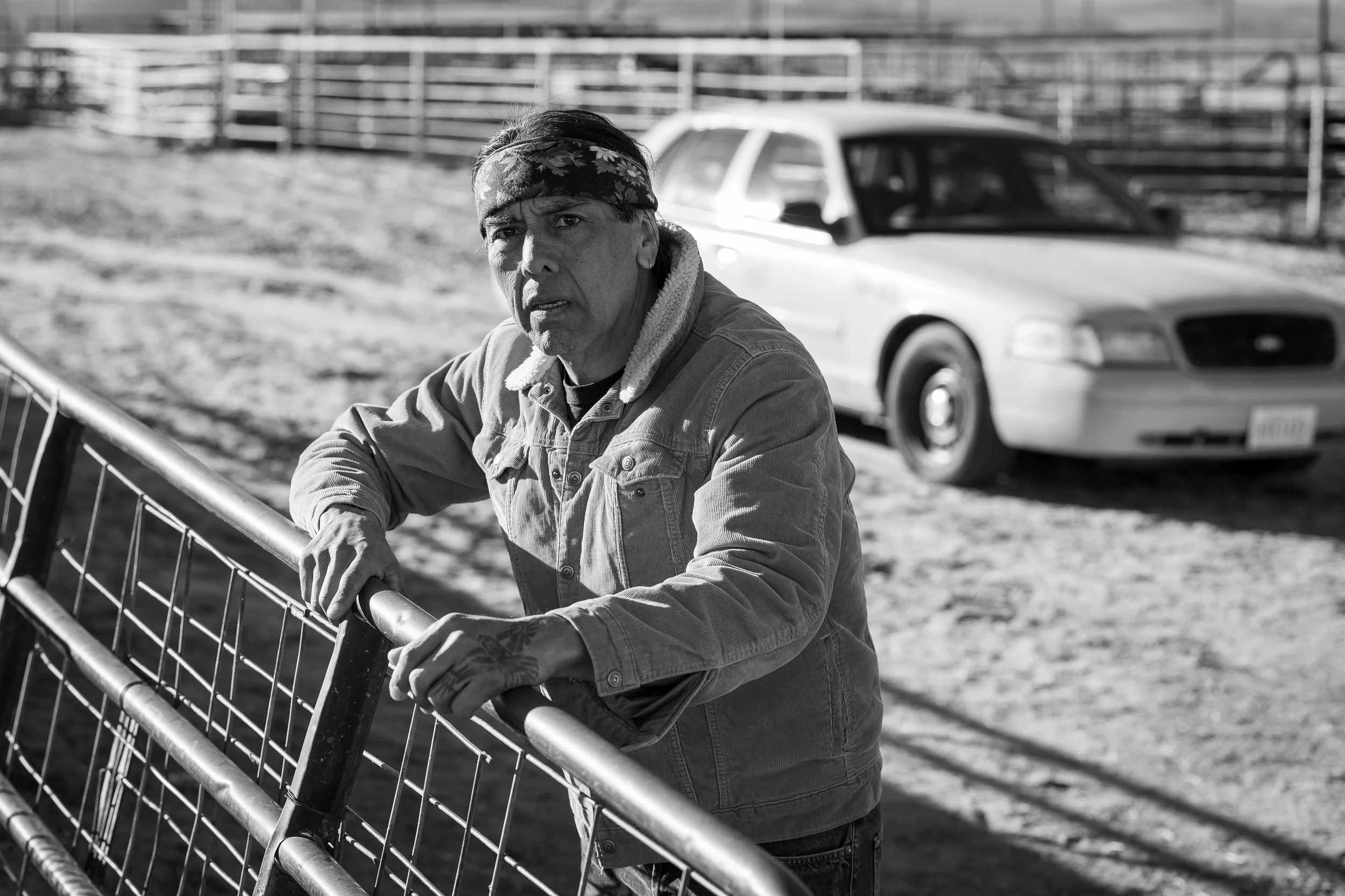
Visually, the film is gorgeous. The black-and-white cinematography gives everything a timeless quality, and honestly, we need more movies willing to embrace the format. The flashback sequences in color provide a wonderful contrast and give the film an almost nostalgic, classic-Hollywood feel. Combined with beautiful scenic photography and thoughtful editing, the visual presentation constantly elevates the material.
The film's biggest surprise is Robert Mirabal. Best known as a two-time Grammy-winning musician, Mirabal proves to be a natural screen presence. He carries the emotional weight of the movie with warmth, charisma, and sincerity, delivering a performance that never feels like a musician trying acting. Jake feels like a fully realized person, flawed but hopeful, carrying decades of unresolved pain while searching for another chance. Mirabal's work here is the film's beating heart.
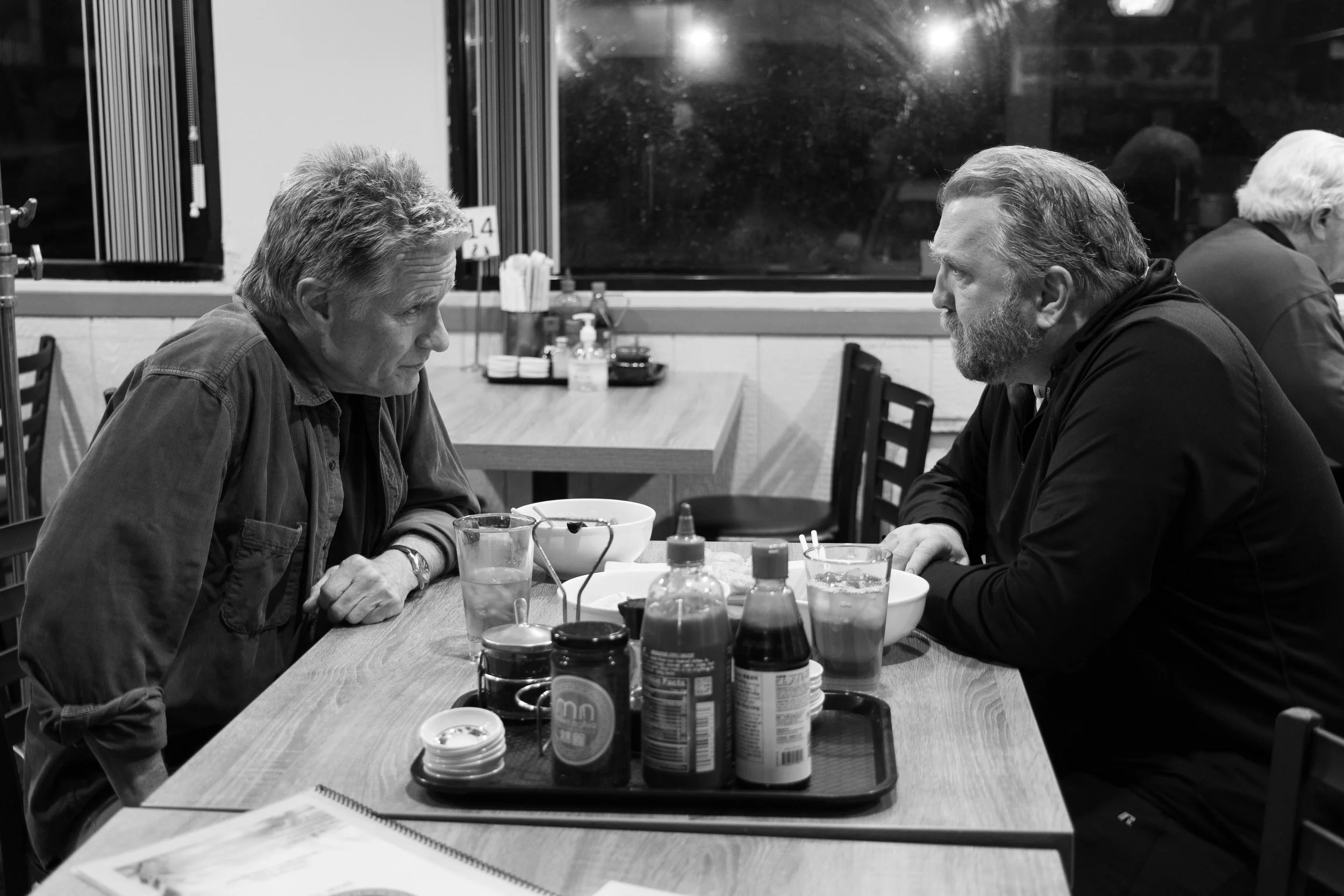
Whip Hubley is equally strong. Longtime genre fans know him from films like Top Gun, Species, and Executive Decision, and it's genuinely rewarding to see him revisit Jason Schuyler after all these years. Time has given both the actor and the character extra depth, and Hubley makes the most of it. The chemistry between Hubley and Mirabal anchors the film and keeps even the quieter moments engaging.
There are also a few familiar faces that cinephiles will appreciate spotting along the way. Dark Winds fans will immediately recognize DezBaa', and Diane DiLascio makes a welcome appearance as well. Horror fans may know DiLascio from the classic Tales from the Crypt episode "Only Skin Deep," one of the series' most memorable installments. Daniel Roebuck is also among the returning Driven cast members, helping reinforce the unique continuity between the two films.

If the film has a weakness, it's the dialogue. There are moments when conversations feel slightly unnatural or overly written, occasionally pulling attention away from the emotional reality of the scene. Thankfully, these moments are infrequent and never derail the larger journey.
What I appreciated most is that Road to Everywhere never becomes schmaltzy, melodramatic, or preachy. It is ultimately a film about friendship, compassion, empathy, and human connection, but it trusts its audience enough to explore those ideas without hammering them home. In a cultural landscape that often seems defined by division and cynicism, the film's belief in understanding and kindness feels genuinely refreshing.
The movie occasionally brought Green Book to mind, not because the stories are particularly similar, but because both films understand how transformative a journey can become when two very different people are forced to spend time together. Yet Road to Everywhere ultimately stands on its own thanks to its cultural perspective, its unique relationship with time, and its deeply personal storytelling.
Most importantly, Road to Everywhere is a film made with obvious heart. You can feel the passion, reflection, and life experience behind every frame. It is thoughtful without being self-important, emotional without becoming manipulative, and beautifully crafted without calling attention to itself. The road may be long, but it's absolutely worth the trip.
Jessie Hobson