
"The most important questions are the unanswered ones."
Take a moment to let that sink in. Then forget everything you think you know about horror cinema and press play on Dariuss.
This is not a traditional horror movie. It is not interested in narrative comfort, tidy explanations, or audience accessibility. Guerrilla Metropolitana's 2023 feature debut blends elements of silent cinema, splatter horror, found footage, surrealism, and French New Wave experimentation into something that feels genuinely singular. With no dialogue and only the loosest connection to conventional storytelling, Dariuss emerges as one of the most divisive and uncompromising works to come out of the underground horror scene in recent years.
At its core, the film concerns a family shattered by the disappearance and presumed death of a young daughter. Rather than exploring that tragedy through a conventional narrative, Metropolitana transforms grief into a living nightmare. Memories, obsessions, fantasies, guilt, and madness bleed together until reality itself feels unstable. The result is less a story than a prolonged immersion into psychological collapse.
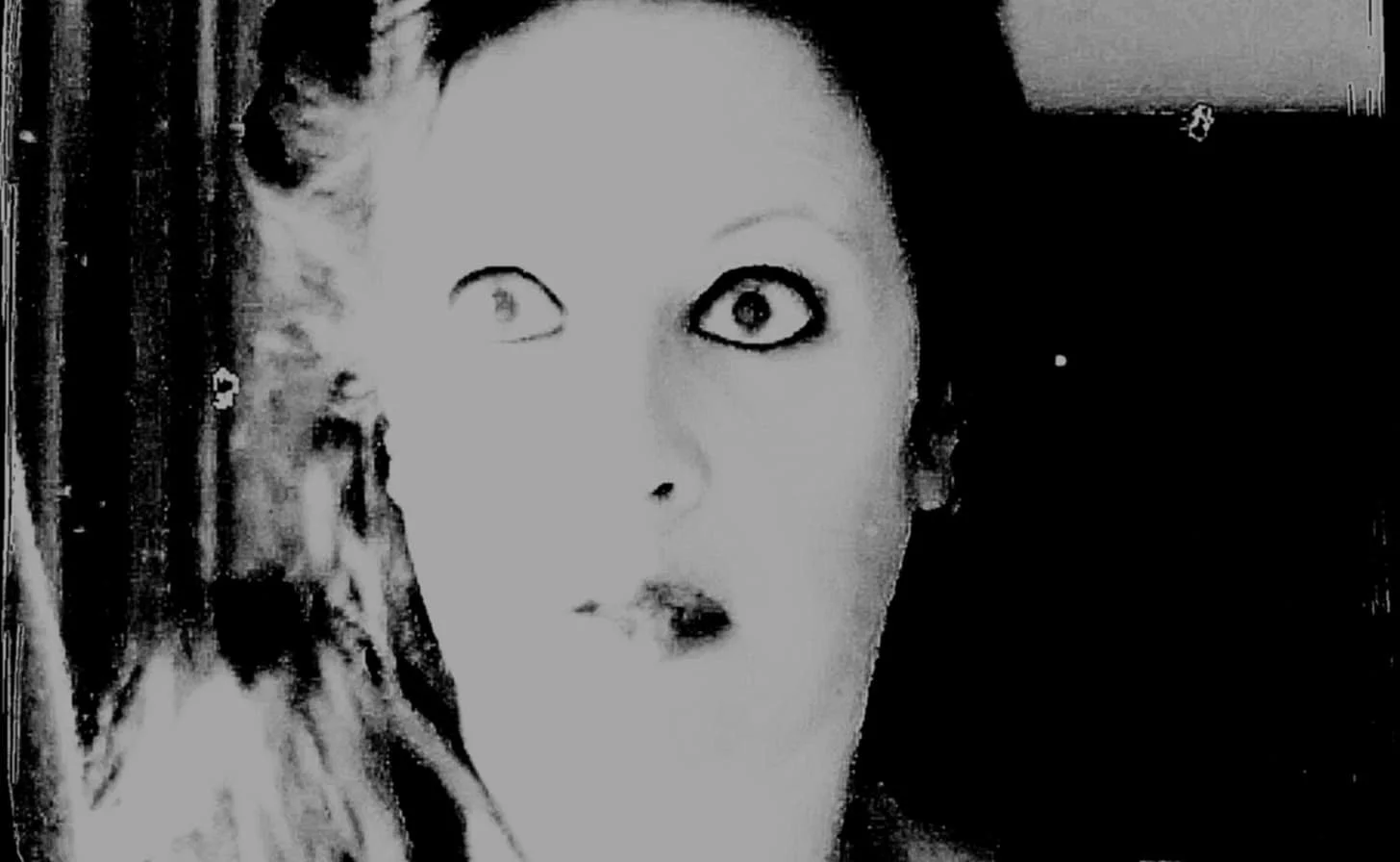
The opening is deceptively beautiful. A young girl wanders through nature while delicate piano music drifts through the soundtrack. The imagery is filled with innocence, warmth, and a sense of peace that almost feels comforting. Yet an undercurrent of dread is present from the very beginning. Dark clouds gather, shadows creep into the frame, and a growing sense of unease slowly infects every image. Before long, the film abandons any pretense of tranquility and plunges headfirst into emotional and psychological ruin.
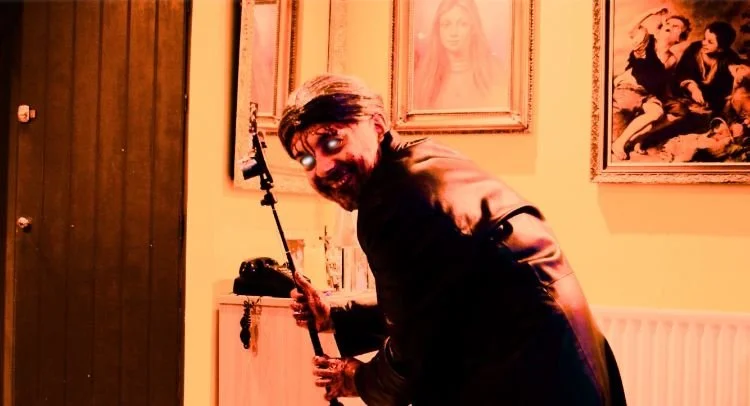
Metropolitana approaches cinema like a painter rather than a traditional storyteller. Despite the film's raw underground aesthetic, many shots feel meticulously composed. Faces emerge from darkness like figures trapped inside a nightmare. Mirrors, dolls, paintings, children's belongings, and abandoned spaces recur throughout the film, accumulating meaning through repetition rather than explanation. Every image seems designed to evoke a feeling before it communicates an idea.
The influence of silent cinema is particularly important because Dariuss relies entirely on visual language and sound design to communicate its themes. Without dialogue to guide the audience, every performance depends on physical expression. Ila Argento delivers a remarkable portrayal of grief and psychological deterioration, communicating enormous emotional weight through body language and presence alone. Archibald Kane, Marie Antoinette de Robespierre, Sarah Isabel, Medusa S, and Metropolitana himself commit fully to the film's strange and unsettling vision, creating a cast of characters who feel trapped inside an emotional purgatory from which there is no escape.
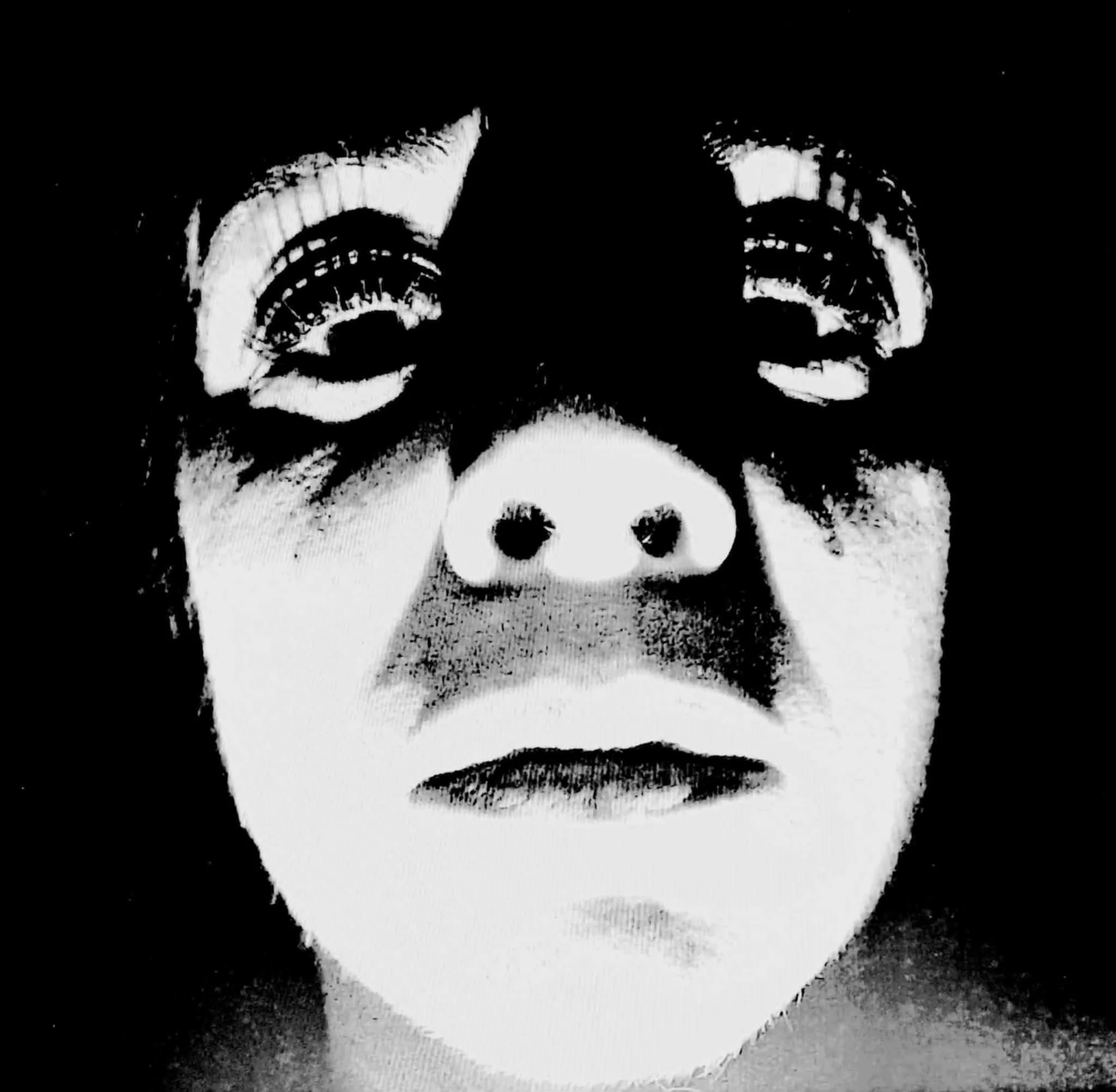
If the visuals establish the nightmare, the sound design completes it. Baby laughter echoes through scenes like a ghostly reminder of innocence lost. Water drips endlessly. Breathing, crying, moaning, static, and distorted noises intertwine to create an atmosphere of constant discomfort. The soundtrack often feels less like accompaniment and more like a psychological attack. It is no surprise that the production reportedly layered more than 2,000 individual sounds into the finished film. The cumulative effect is overwhelming, creating the sensation of stumbling across some forgotten, cursed VHS tape that was never meant to be discovered.
The house at the center of the story becomes one of the film's most effective tools. Much like Skinamarink, Dariuss transforms domestic space into a source of terror. Bedrooms, hallways, staircases, and darkened corners cease to function as places of safety and instead become physical manifestations of grief. Home becomes a tomb, a prison, and a mausoleum all at once.
There is no way to discuss Dariuss honestly without acknowledging its extreme content. Metropolitana explores themes of abuse, trauma, incest, murder, sexual violence, and psychological disintegration through imagery that many viewers will find deeply disturbing. The film repeatedly crosses boundaries that mainstream horror would never approach. Yet what separates Dariuss from many shock-driven exploitation films is the sense that its extremity serves a larger thematic purpose. Every grotesque act appears connected to the consuming nature of grief. Every transgression feels like another symptom of a family being devoured by loss.
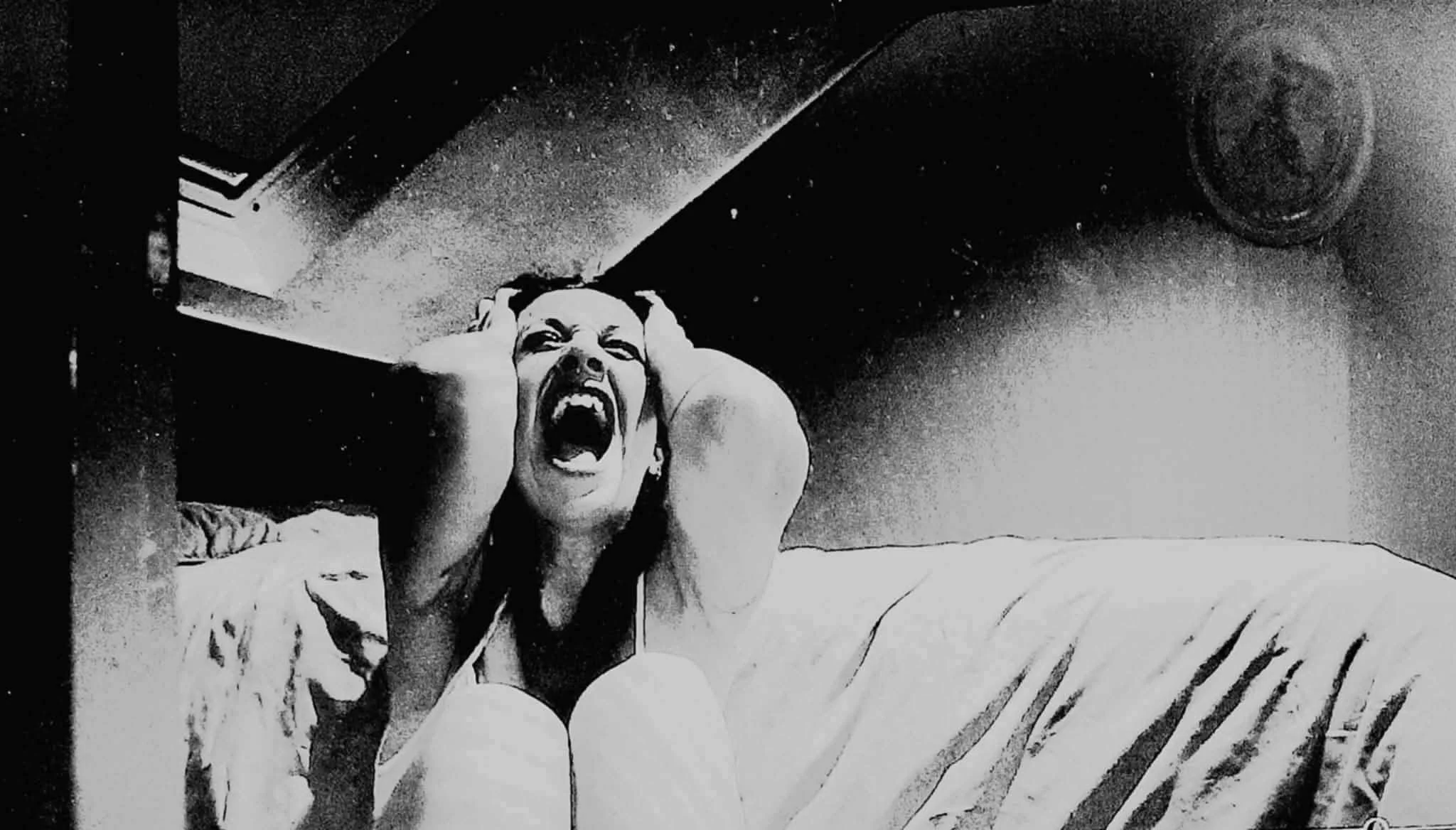
What makes the film particularly fascinating is its ability to balance beauty and repulsion. A striking composition may suddenly give way to horrific imagery. Warm, peaceful music often accompanies scenes of profound discomfort. The contrast between elegance and ugliness becomes one of the film's defining qualities. Metropolitana continuously challenges viewers to find meaning inside images they instinctively want to reject, creating an experience that is simultaneously mesmerizing and exhausting.
The influence of filmmakers such as Peter Greenaway can be felt in the film's carefully arranged compositions and rejection of traditional narrative structure. Likewise, the shadows, distorted imagery, and dreamlike atmosphere often recall silent-era expressionist classics like The Cabinet of Dr. Caligari and Nosferatu. At the same time, Dariuss never feels derivative. Metropolitana absorbs these influences and pushes them toward far more confrontational territory, resulting in a work that feels uniquely his own.
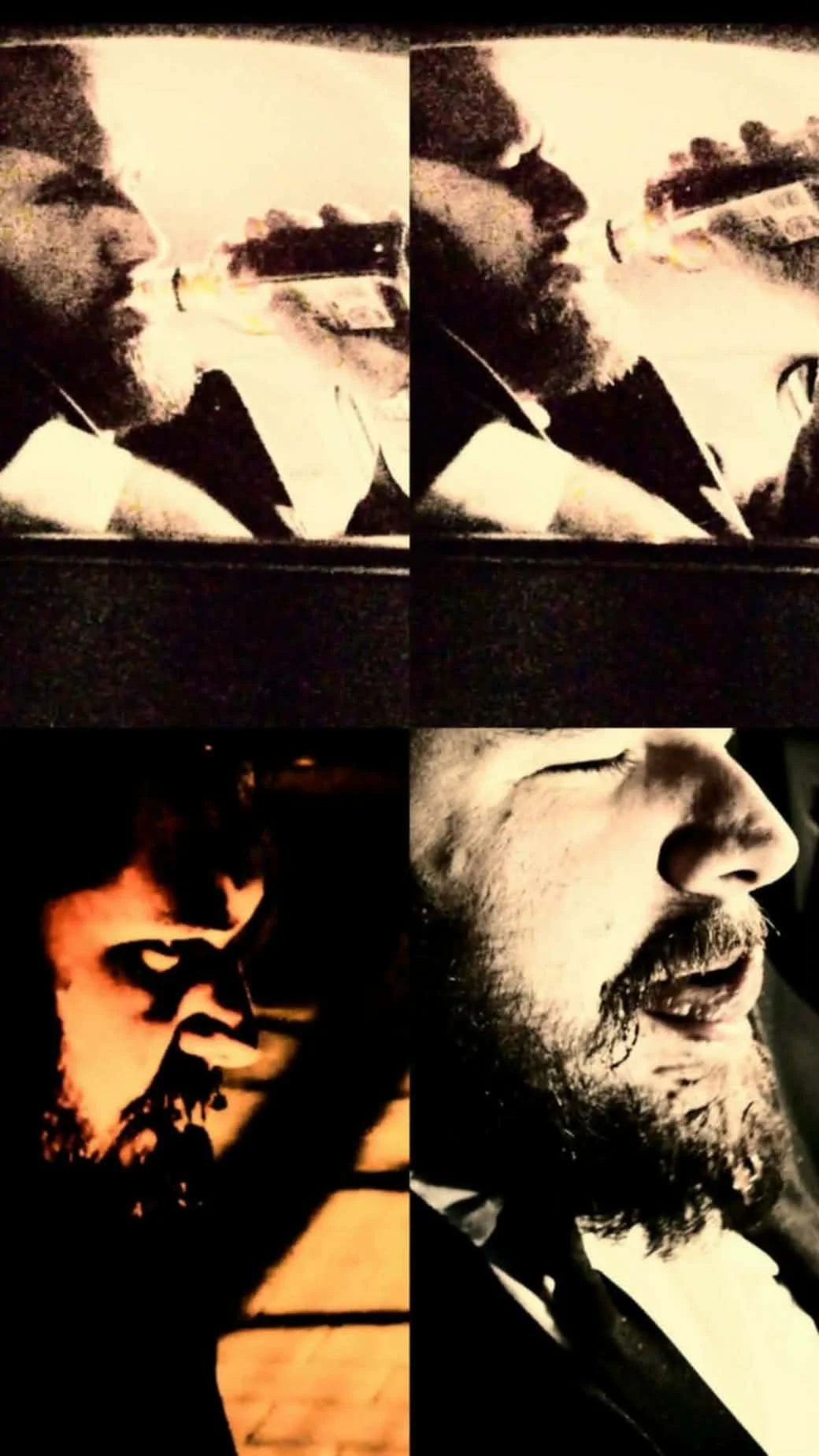
The film's production history helps explain some of its obsessive qualities. Originally conceived as a short home-invasion project, Dariuss gradually expanded into a feature-length work during months of shooting, editing, and continual revision. Reports surrounding the production describe an elaborate editing process in which new ideas were constantly integrated into the film. Watching the final result, that obsessive creative energy is visible everywhere. The film feels handmade, intensely personal, and completely unconcerned with commercial expectations.
The polarized reactions surrounding Dariuss are entirely understandable. Some viewers will regard it as a fearless piece of underground art that pushes horror into challenging new territory. Others will view it as an impenetrable exercise in excess that mistakes provocation for profundity. Both responses are valid because Dariuss actively resists consensus. It is not interested in being liked. It is interested in being experienced.
That commitment to artistic freedom ultimately becomes the film's greatest strength. Rather than seeking approval, Metropolitana follows his vision wherever it leads, regardless of how uncomfortable or divisive the results may be. The film offers no easy catharsis, no reassuring answers, and no emotional relief. Instead, it becomes a confrontation with grief, guilt, trauma, and humanity's capacity for self-destruction.
Whether you interpret it as a minor masterpiece or an exercise in transgressive excess, Dariuss is impossible to mistake for anything else. It is messy, challenging, provocative, beautiful, grotesque, and frequently difficult to endure. Most importantly, it leaves an impression that lingers long after the credits roll.
I may never watch Dariuss again, but I have little doubt that I will remember it for a very long time.
Dariuss is an unrelenting descent into grief and madness that transforms experimental horror into something closer to a nightmare etched directly onto film. It may not be enjoyable in any conventional sense, but as a work of underground horror art, it is as distinctive, uncompromising, and unforgettable as they come.
Jessie Hobson