
Kenji Tanigaki is one of those names that action fans know, even if they do not always realize it. The choreography, the impact, the way every hit feels like it matters. It has been there for decades. From Fist of Legend to Snake Eyes to Twilight of the Warriors, his fingerprints are all over modern action cinema. And yes, for real ones, he was even a stunt double for Scorpion in Mortal Kombat: Annihilation. Not a great movie, but definitely one of those comfort watches if you grew up with it.
So getting the chance to sit down and talk with him about The Furious was something special. The conversation was relaxed, fun, and full of that quiet confidence you would expect from someone who has spent a career redefining how action works on screen.
With The Furious, Tanigaki leans into a premise that feels instantly familiar. A father, a kidnapped daughter, a violent path to justice. He knows exactly what he is doing there. As he put it, stories like this are basically universal at this point, with “3,999 movies like that, like Taken or other Commando.” That familiarity is not a weakness for him. It is the entry point. He wanted audiences to understand the stakes immediately so they could settle in and focus on everything else.
For him, it comes down to clarity. A father and daughter, human trafficking, good versus evil. “Human trafficking these kind of people is 100 percent bad... good people beating bad people,” he explained, which makes the emotional investment immediate. There is no confusion about who to root for, and that allows him to move fast. The goal is simple. Get the audience in quickly, then let them “enjoy the film, enjoy the choreography, and enjoy the actor’s performance.”
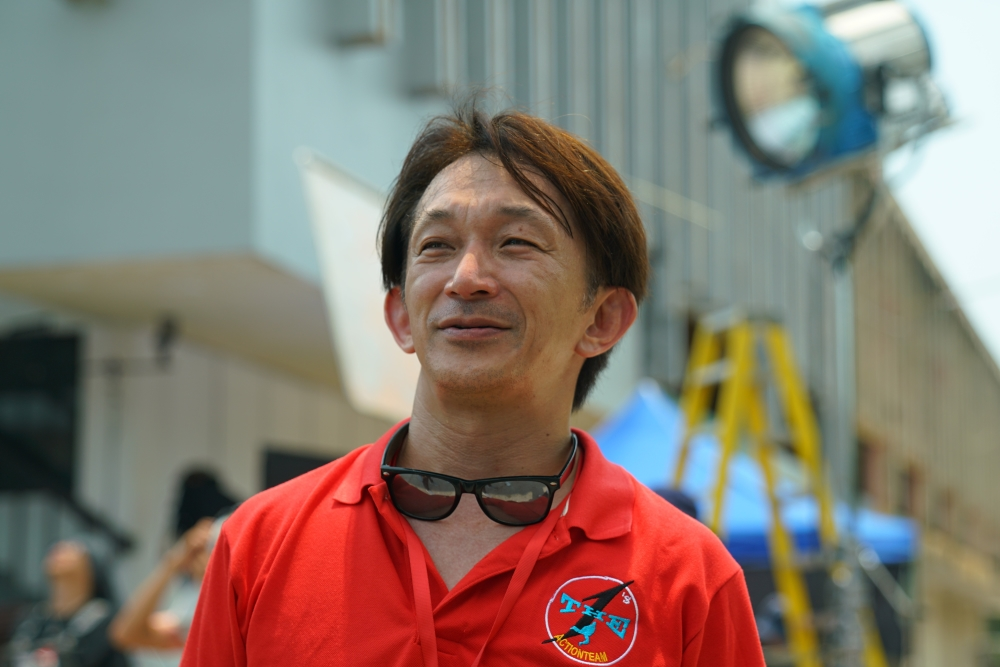
That directness carries into the action itself, but do not mistake that for simplicity. There is a reason Tanigaki is considered a legend. What he does with that foundation is where things get interesting.
Going into the project, his mindset was straightforward. “I just want to make a very good action movie,” he said. That changed quickly once producer Bill Kong got involved and raised the bar to something bigger. “Let’s make the ultimate action movie,” Tanigaki recalled, and from there it became a collaborative push to elevate everything. By the time production was underway, he could feel it building into something more. The cast, the stunt team, everyone was all in. No ego, just people ready to do whatever it took to make it work.
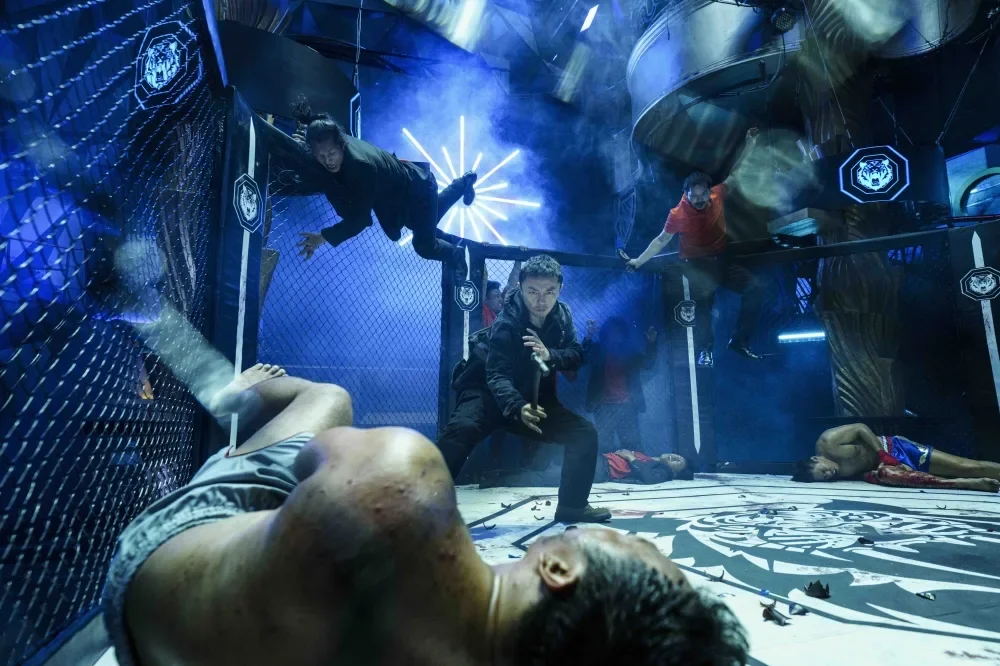
That mindset shows up in the film’s signature style, especially in how Tanigaki uses environment and props. If you have seen his work before, you know nothing is off limits. Bottles, tables, whatever is nearby becomes part of the fight. There is a reason for that beyond just looking cool. He explained it in a way that perfectly sums up the philosophy. Not everyone knows what it feels like to be shot, but everybody knows what it feels like to get hit. When a character smashes someone with a bottle, the audience feels it because they understand that kind of pain. It is grounded, immediate, and honestly more relatable than a perfectly clean punch.
It also ties into his Hong Kong action roots, where tight spaces force creativity. “Hong Kong is [a] very small place and many action scenes happen in a narrow place,” he said, which naturally pushes choreography toward improvisation. The result is action that feels chaotic but is actually incredibly precise.
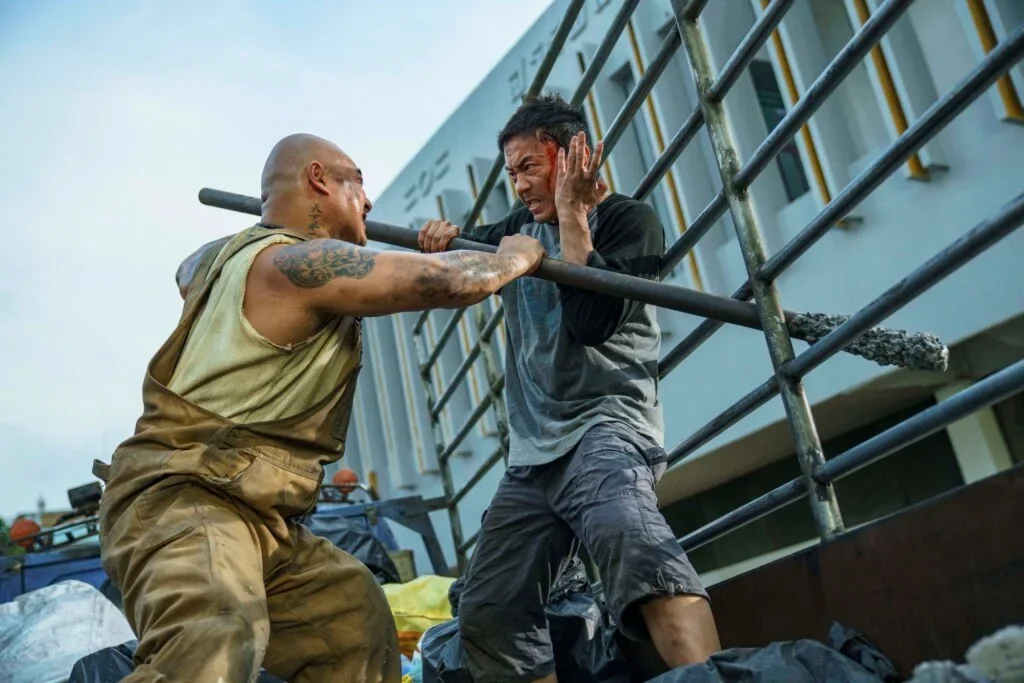
That precision becomes even more impressive when you look at the cast. The Furious brings together fighters from different backgrounds, and instead of forcing them into one style, Tanigaki builds the action around who they are. He talked about leaning into each performer’s strengths, breaking it down in the simplest way. Joe Taslim brings judo, Yayan Ruhian brings pencak silat, others bring wushu, karate, and more. Even Brian Le, who Tanigaki jokingly called a “YouTube fighter,” ends up fitting into the system.
The choreography starts with those differences. Distance, rhythm, technique. A grappler wants to close in, a striker wants to keep space, a kicker needs range. Instead of smoothing those differences out, Tanigaki lets them collide. That is where the fights come alive.
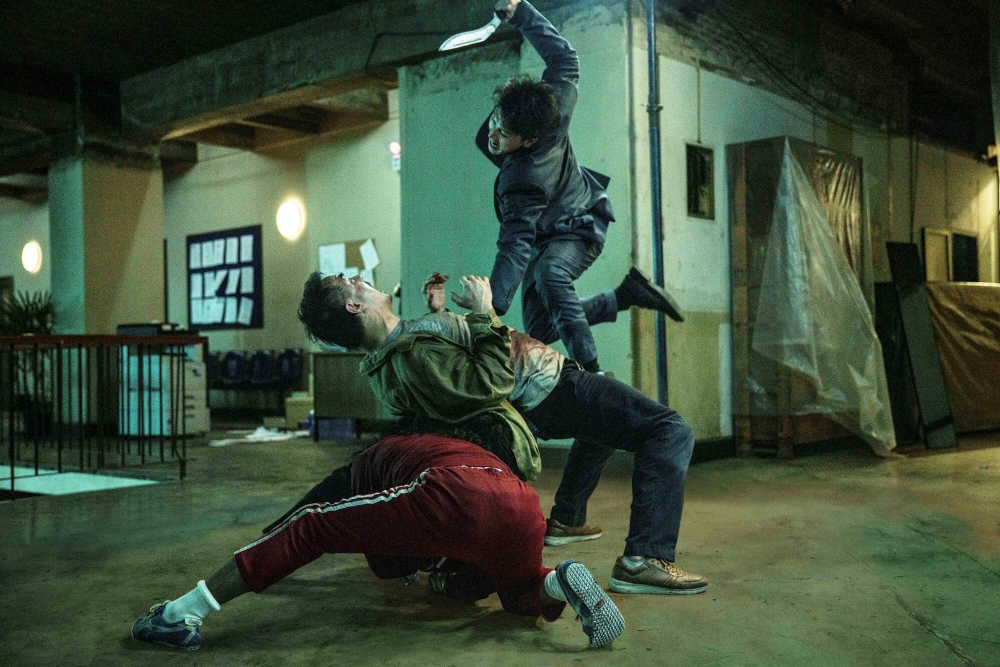
What might surprise some people is how much emphasis he places on story over spectacle. You would expect someone with his résumé to lean fully into action, but he made it clear that both sides matter. On set, he did not overthink the balance. “I shot everything. I shot a lot of drama. I shot a lot of action,” he said. The real shaping happened later, trimming things down for pacing while keeping the emotional core intact.
That emotional groundwork, especially in the opening with the father and daughter, is non-negotiable for him. Without that connection, the rest of the film does not land. It is what gives weight to every punch, every chase, every moment of chaos that follows.
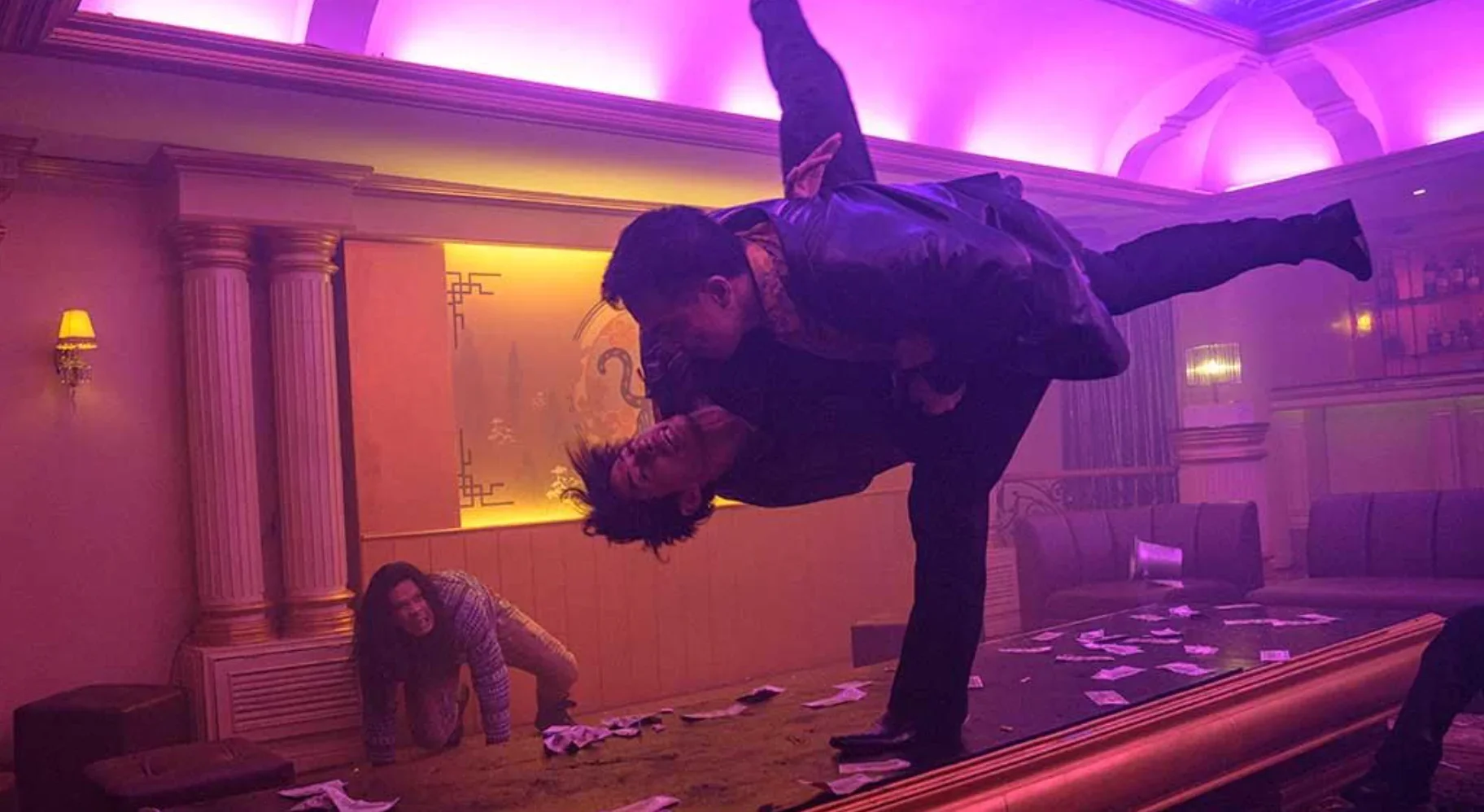
And for longtime fans, Tanigaki made sure there is something extra layered in. He talked about how the film is filled with small nods and homages to classic martial arts cinema, not in a heavy-handed way, but in little details that reward people who have been watching these movies for years. References to Bruce Lee, echoes of older films, subtle callbacks that might send you digging through your collection afterward just to revisit the originals.
It is clear that The Furious is not just another project for him. It is a reflection of where he has been and everything he has learned along the way.
Beyond all that, the conversation itself was just a great time. Tanigaki is easygoing, sharp, and still clearly loves what he does. There is no sense of someone coasting on legacy. He is still pushing, still experimenting, still finding ways to make something familiar feel fresh.
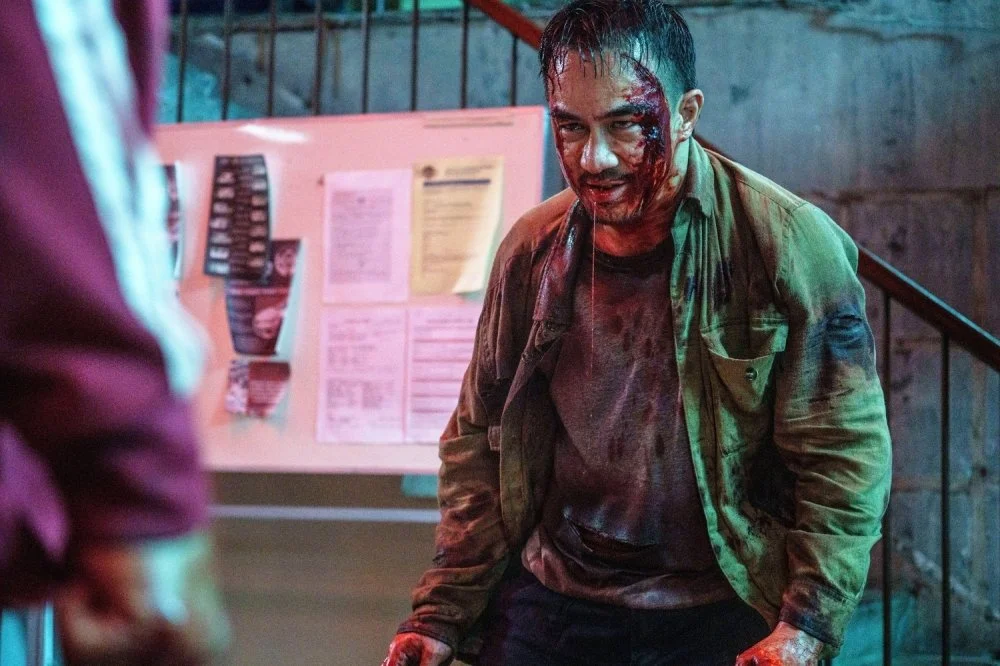
And yeah, for me personally, it was wild to talk to someone who has one foot in that Mortal Kombat history. Scorpion in Annihilation might not be the crown jewel of cinema, but it is part of the DNA for a lot of us. Pair that with Fist of Legend, which remains an all-time favorite, and you are looking at someone whose work has been shaping action fans for years, whether they realize it or not.
With The Furious, Tanigaki is not reinventing the wheel. He is reminding everyone why it works in the first place, then pushing it harder, faster, and with more purpose than most filmmakers even attempt.
Jessie Hobson