
There are certain horror directors who earn an automatic ticket purchase from me. Daniel Stamm is one of them. From The Last Exorcism to 13 Sins and Prey for the Devil, Stamm has built a career around taking familiar genre concepts and twisting them into something uncomfortable, unpredictable, and uniquely his own. So when the opportunity came to sit down with Stamm alongside stars Lou Taylor Pucci and Katharine Isabelle to discuss Lockbox, it was one of the easiest yeses of the year.
The film follows Ellen, played by Carla Gugino, as she retreats to a rural town after her mother's death and takes in her traumatized cousin Winthrop. What begins as a story about grief and healing quickly spirals into something much darker as strange events point toward a dangerous supernatural force. Based on Soren Narnia's acclaimed Knifepoint Horror story, Lockbox refuses to settle into any one genre lane. That unpredictability was exactly what attracted Stamm to the material.
When we discussed his initial reaction to the script, Stamm explained that the story continuously pulled the rug out from under him. Every time he thought he had figured out where things were headed, the narrative would pivot somewhere completely unexpected. What impressed him most was that despite constantly changing shape, the script never lost sight of its characters. As he described it, the podcast source material was overflowing with ideas, moving from one fascinating concept to the next without lingering too long, yet still delivering surprising emotional depth. That same sense of discovery hooked Lou Taylor Pucci.
I've been a fan of Pucci since Thumbsucker and The Chumscrubber, and he completely won me over again with Spring, one of the best genre-bending horror romances of the last decade. In Lockbox, he takes on the role of Winthrop, a character whose silence becomes one of the film's most effective weapons.
Pucci told me he loved that the story initially presents itself almost like a mystery before revealing something far more sinister underneath. What made the role particularly challenging was that Winthrop has very few opportunities to explain himself through dialogue. Instead, the actor had to communicate almost everything through physicality, expression, and presence.
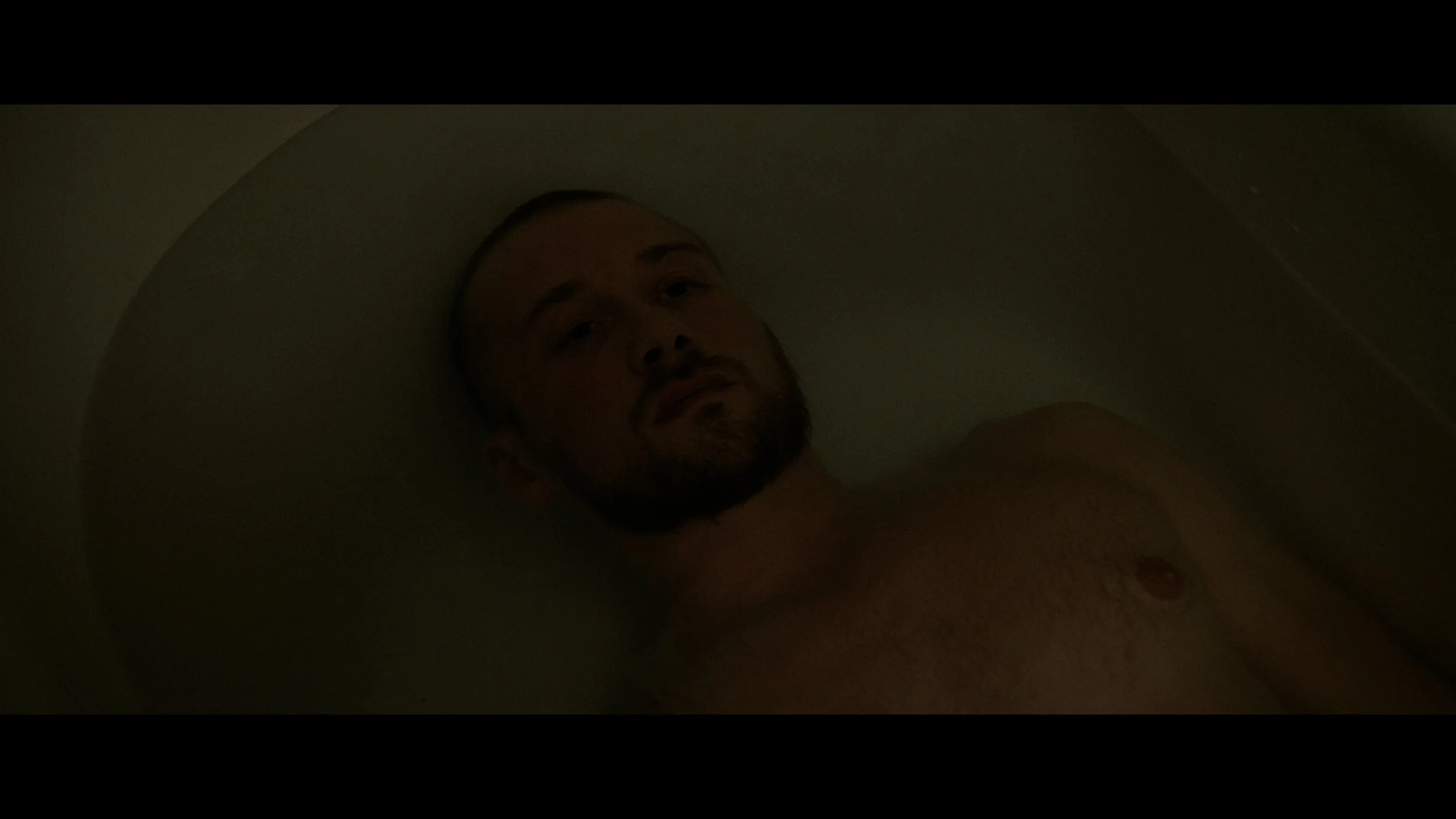
That extended to his appearance as well. Pucci revealed that he wanted Winthrop to feel physically off-balance, describing his goal as appearing "kind of buff, but like sort of emaciated," a look that reflected the character's troubled backstory and immediately creates uncertainty about who Winthrop really is.
The result is a performance that keeps audiences guessing. Is he a victim? Is he dangerous? Is he both? The film smartly refuses to provide easy answers. That ambiguity became one of the key collaborations between actor and director.
Stamm spoke extensively about his approach to working with performers, emphasizing that actors often become the true specialists on their characters long before cameras start rolling. Rather than arriving with rigid instructions, he prefers conversations where actors bring their own ideas to the table. In fact, he described his role less as someone dictating performances and more as someone negotiating how those performances fit into the larger filmmaking puzzle.
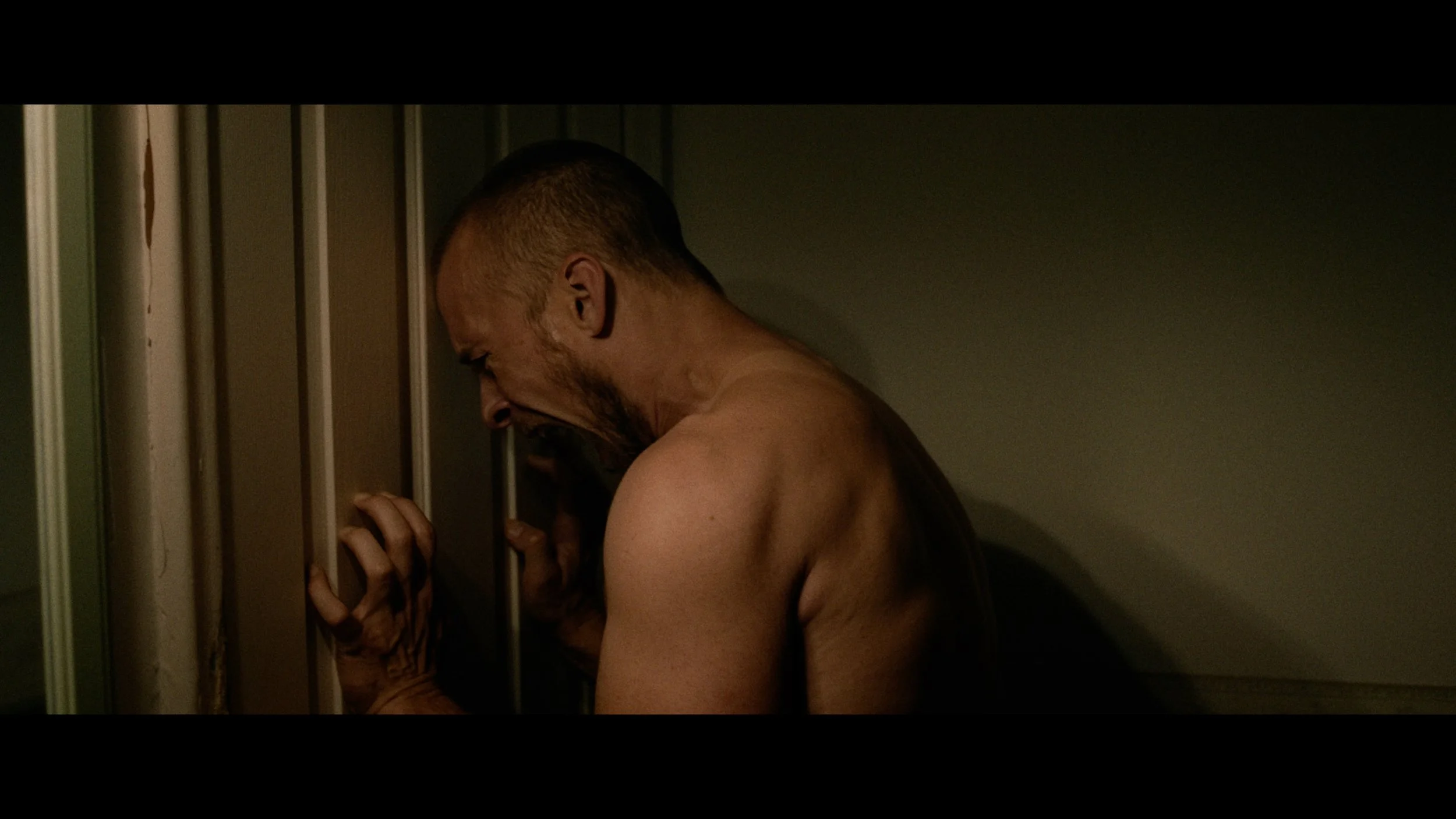
That process became especially important with Winthrop. Pucci explained that both he and Stamm spent significant time discussing exactly when audiences should begin to fear the character. Should he feel suspicious from the moment he appears? Should the unease gradually build? Or should there be a specific turning point where everything changes?
According to Pucci, they ultimately approached scenes from multiple angles, filming versions that leaned toward innocence and versions that leaned toward menace, allowing the final shape of the character to emerge through the editing process.
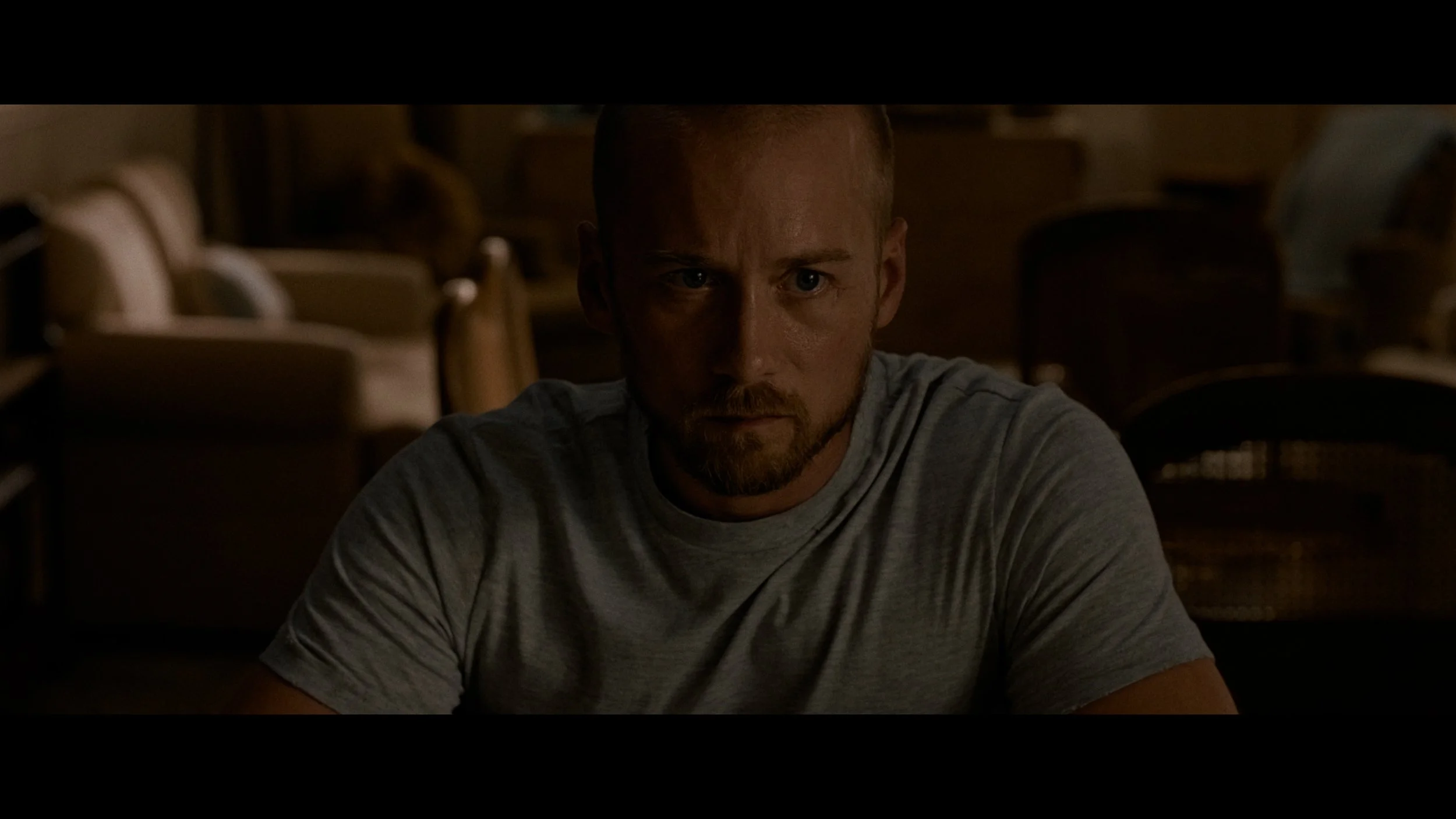
For Stamm, that's where filmmaking becomes a collaboration between every department. He noted that performance is only one piece of the equation. Cinematography, lighting, staging, and editing are all sending signals to the audience as well. If every creative decision screams the same message at full volume, the mystery disappears. The goal becomes finding the right balance so the audience remains uncertain without becoming confused.
Then there's Katharine Isabelle. Calling Isabelle a horror icon feels almost like an understatement at this point. I cannot count how many times I've recommended Ginger Snaps over the years. Add projects like American Mary, Freddy vs. Jason, and more recently Backrooms, and she's built one of the most respected genre filmographies around.
In Lockbox, she plays Vahna, a character who clearly made an impression on everyone involved. Stamm laughed while recalling how much he loved the character, joking that she was so fascinating he wanted to see an entire HBO series built around her. Isabelle shares that enthusiasm.
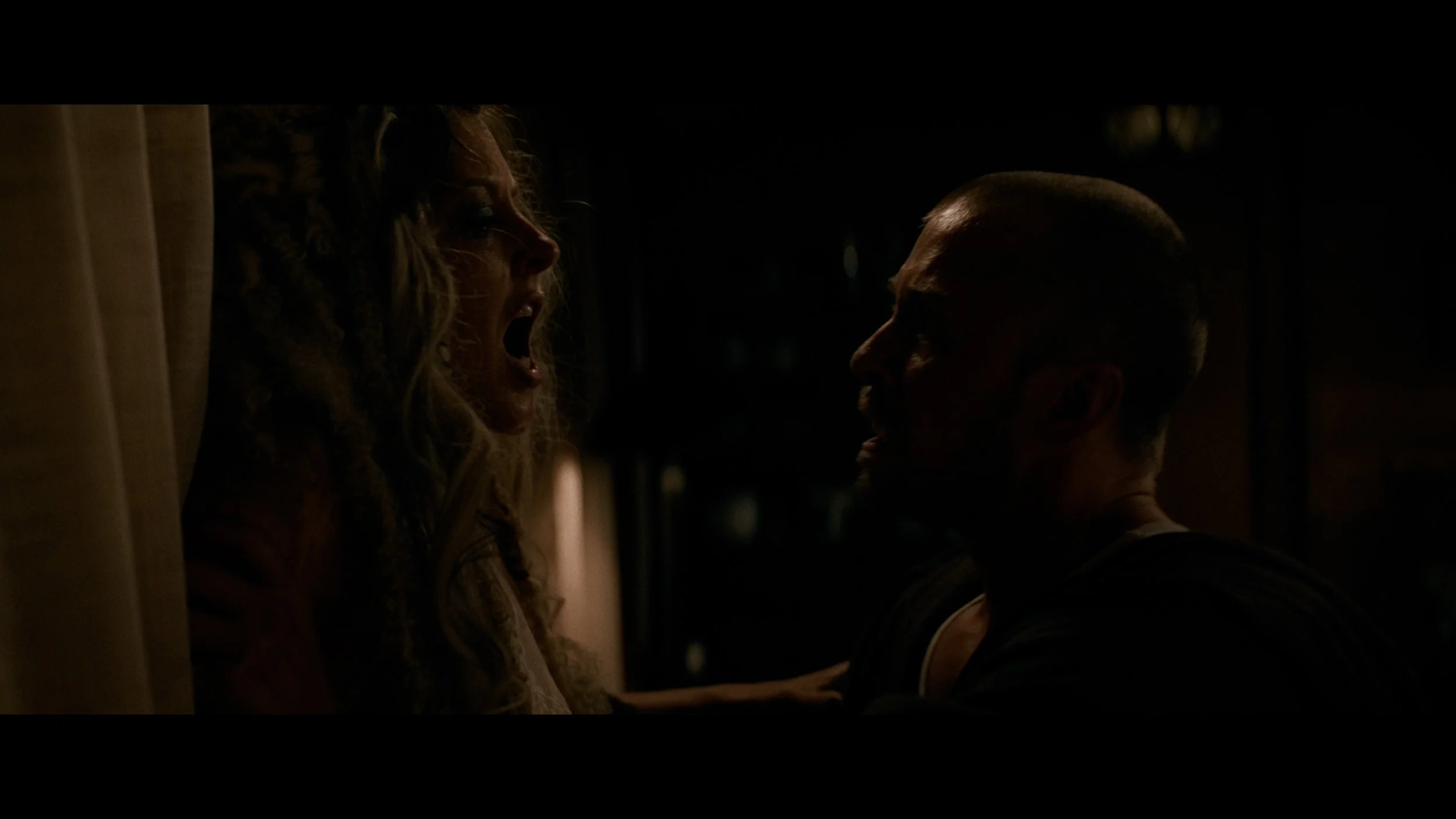
She admitted that reading the screenplay was a constant exercise in having her expectations shattered. Like everyone else, she found herself repeatedly trying to categorize the film before it transformed into something else entirely. One moment it felt like a character study. The next it leaned into courtroom drama territory. Then it veered toward mystery before embracing supernatural horror.
For Isabelle, Vahna was impossible not to love. She spoke passionately about the character's vulnerability and the emotional scars she carries. In her eyes, the demons within Lockbox function as manifestations of humanity's darkest impulses. Trauma, abuse, and neglect crack people open, leaving them vulnerable to the worst parts of human nature.
What she finds compelling about Vahna is that struggle between overcoming that darkness and being consumed by it. Isabelle hopes audiences walk away seeing the character as funny, frightening, and deeply vulnerable all at the same time. That mixture feels like the perfect description of Lockbox itself.
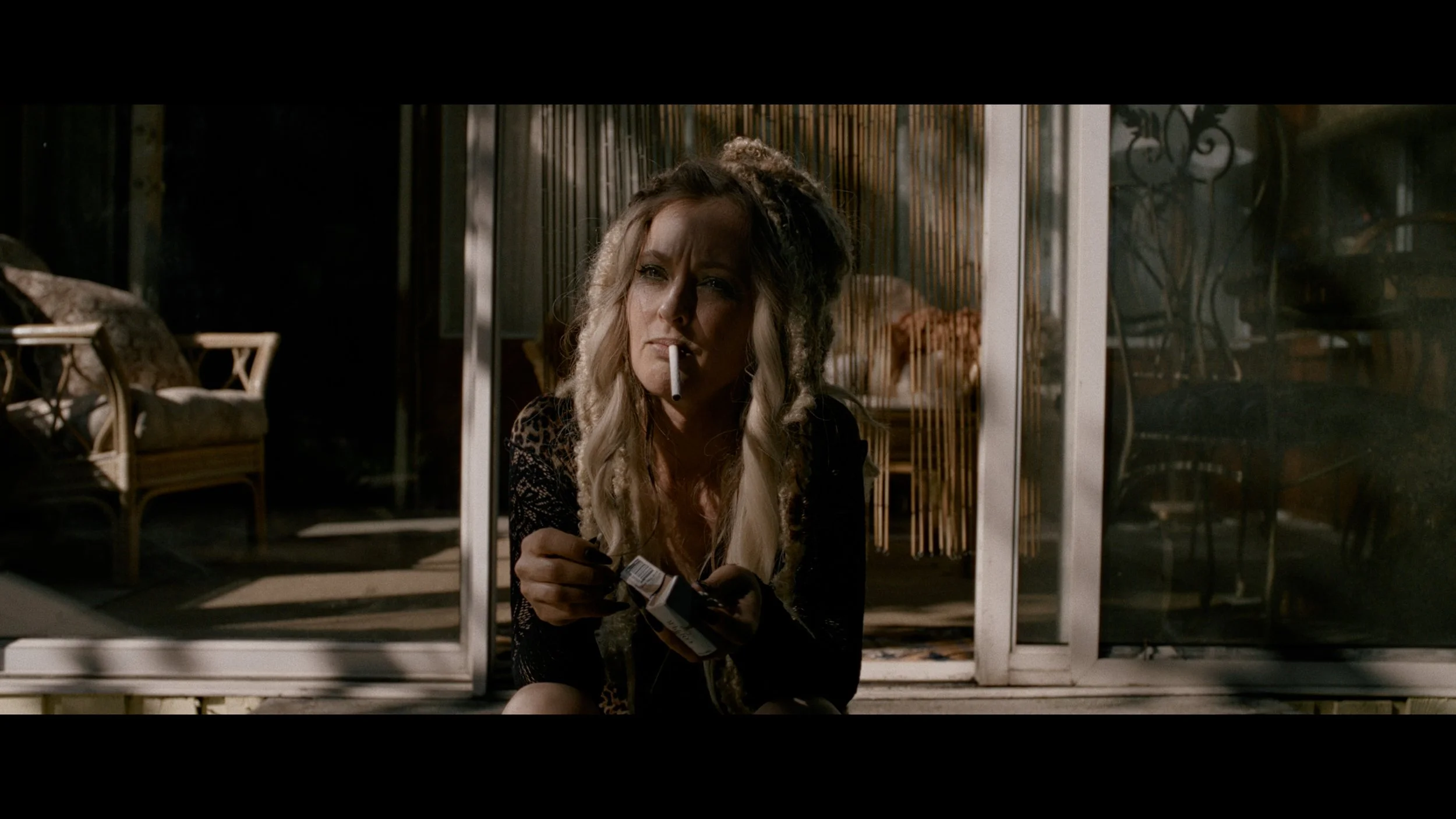
The film constantly shifts between emotional drama, mystery, supernatural horror, and psychological unease. It's the kind of horror movie that doesn't seem particularly interested in following established rules, which makes perfect sense considering the people behind it.
After spending time with Stamm, Pucci, and Isabelle, one thing became crystal clear. Nobody involved was interested in making just another possession movie or another supernatural thriller. They wanted something stranger, more emotional, and harder to predict. Thankfully, Lockbox sounds exactly like that. And if this conversation is any indication, horror fans are in for one hell of a ride.
Jessie Hobson