
There are actors whose careers feel carefully manufactured, and then there are actors like Jess Weixler, whose filmography seems built almost entirely on instinct.
Long before she was stealing scenes in Monsters: The Lyle and Erik Menendez Story or showing up in It Chapter Two, Weixler cemented herself as a genre icon with Teeth, a film I have recommended to more people than I can count. The thing that has always stood out about her work isn't simply the projects themselves. It's the consistency. Whether she's leading a film or supporting one, she somehow finds her way into stories that linger.
That trend continues with Tender, Adam Hoelzel's psychological thriller about a married couple whose already fragile relationship is pushed to the brink after discovering a cache of gold hidden inside the walls of their home. What begins as a financial lifeline quickly mutates into obsession, paranoia, and survival. The setup is pure thriller, but the beating heart of the film is the relationship between Billie, played by Weixler, and Mick, played by Jesse Garcia.
When I asked Weixler how she continues to select such interesting projects after more than two decades in the business, her answer wasn't about strategy or career planning. Instead, she laughed and admitted that many of her choices come down to people.
"A lot of times the way I wind up in things is through relationships," she told me, pointing directly to Garcia as the reason Tender landed on her radar in the first place. Having worked together years ago, there was already a level of trust between them. When the opportunity came along, she remembered thinking, "Oh, you're good. You're fun. We can roll."
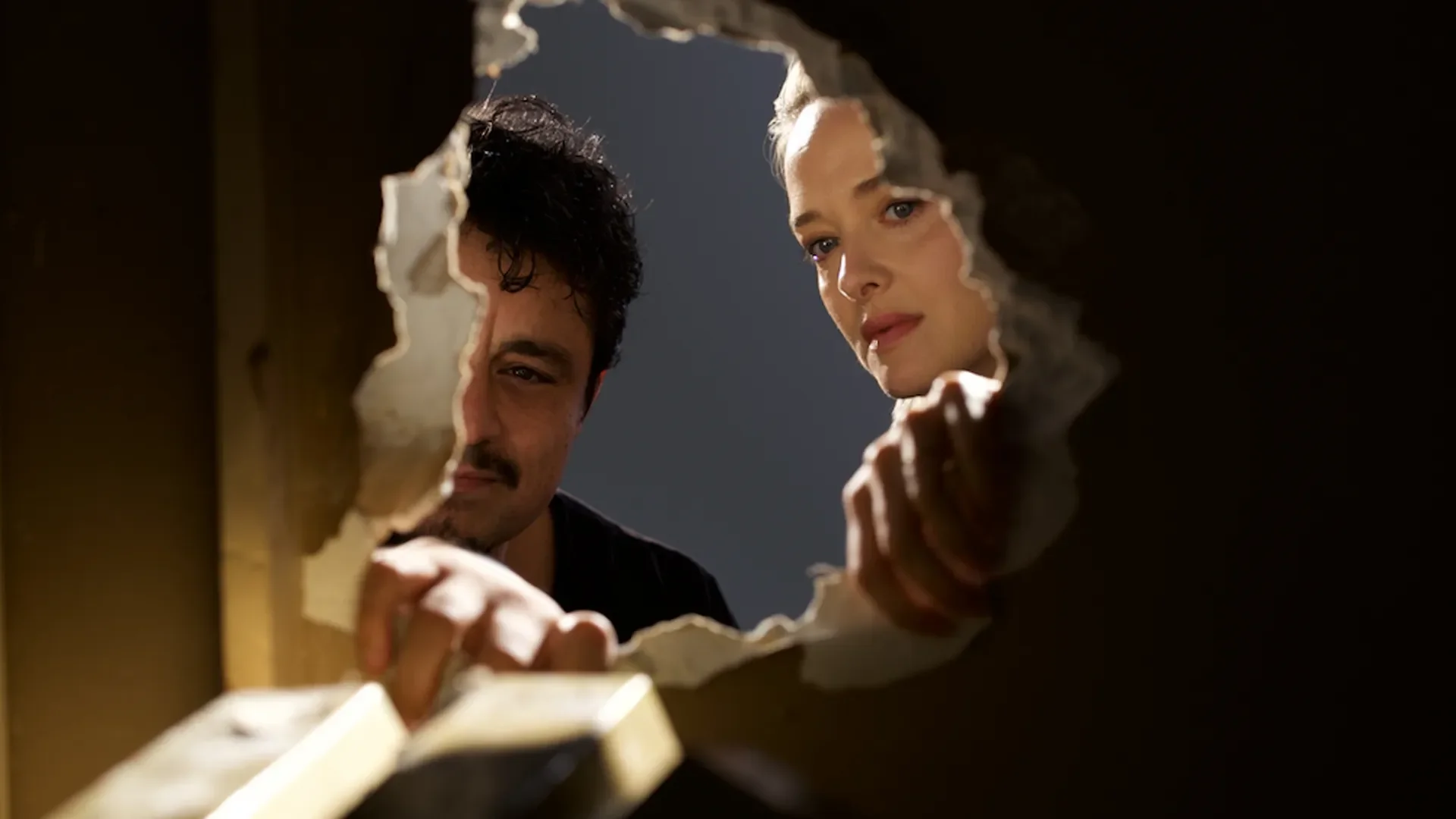
That familiarity gave her confidence to jump into a project that felt different from anything she had done before. Reading the script, she realized she had "never actually done any kind of psychological thriller like this before," and the prospect of exploring something new alongside people she liked made the decision easy.
What makes Tender work is the shifting dynamic between Billie and Mick. One moment they're trying to save their marriage; the next they're barely tolerating one another. The relationship feels lived in, largely because Weixler and Garcia were building it in real time.
The production moved quickly, and the actors received the script only about a week before filming. Rather than arriving fully rehearsed, they spent much of the shoot preparing future scenes while actively filming current ones. Weixler described it as a constant process of figuring out what came before and after each moment, explaining that she and Garcia were "kind of constantly working on the other scenes every day in between takes." That off-screen friendship became especially important when the story required the pair to turn on each other.
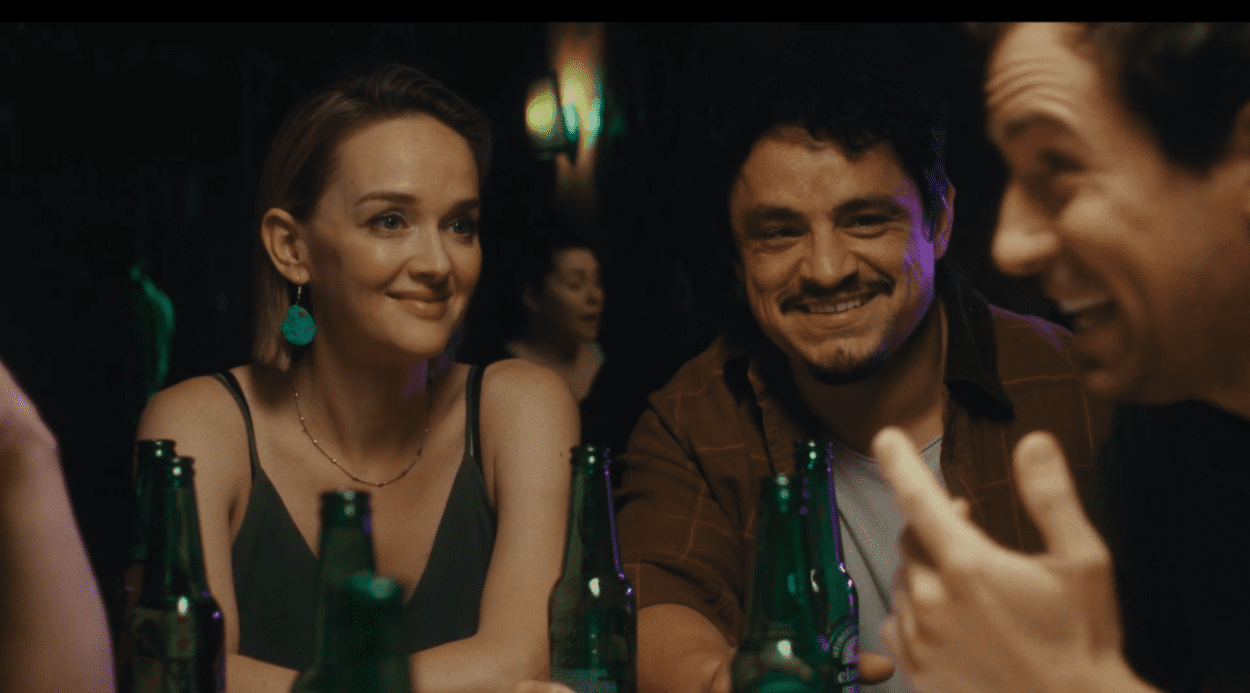
For Weixler, playing Billie's anger meant reminding herself that beneath all the financial stress and desperation was a woman whose husband was having an affair. She admitted that because she genuinely enjoys Garcia as a person, she sometimes had to consciously put herself back into Billie's emotional reality, telling herself, "He's cheating on you. Like he's cheating on you and he doesn't have a job."
It's a funny answer, but it also reveals the thought process behind her performance. Billie isn't simply angry. She's exhausted. She's carrying years of disappointment, financial pressure, and emotional betrayal. That frustration allows her to dismiss things she would otherwise respect, including Mick's artistic ambitions. Weixler doesn't excuse that behavior, but she understood where it came from. In Billie's shoes, she said, you can become so worn down that you "start to dismiss what they do, even if it's their passion."
What fascinated me most about her interpretation of the character was how differently she viewed Billie from what some audiences might expect. It's easy to see the character as trapped by circumstance, but Weixler saw someone becoming increasingly proactive.
After discovering Mick's infidelity, Billie immediately begins searching for another path forward. When the possibility of hidden treasure enters the picture, she's the one pushing deeper. As Weixler explained, Billie is thinking, "If there's this, maybe there's more," and actively hunting for it. Even many of the morally questionable decisions that follow are driven by Billie's determination to survive rather than simply endure. That perspective aligns neatly with something Weixler said later in our conversation when we inevitably circled back to Teeth.
For many horror fans, Teeth remains one of the most unforgettable genre films of the 2000s, and Weixler still clearly holds a special place for it in her heart. Looking back, she described the movie as transformative, arriving at a time when she was still trying to find confidence in herself as both a woman and an actor.
She recalled going from being intimidated by the project to becoming immensely proud of what it represented. What stayed with her most was the film's willingness to embrace female power rather than soften it. Discussing the movie all these years later, she smiled at the idea that its message essentially boiled down to: "I can bite back. You should fear me. I don't care how sweet I appear."

What's interesting is how much that conversation connected back to Tender and to where Weixler finds herself now. Today, she's not the young actor who first stepped into Teeth. She's a mother of two, a veteran of film and television, and someone who speaks openly about how age has changed her relationship with power. Rather than feeling diminished by getting older, she embraces it.
"I just actually feel more powerful than I used to," she told me. "My age has made me feel more powerful." She laughed while talking about wrinkles and the industry's obsession with youth, but there was real conviction underneath it. At this stage of her life, she takes pride in experience. Pride in perspective. Pride in knowing exactly who she is.
Listening to Weixler talk, it's easy to see why her performances continue to resonate. The confidence that once felt aspirational now feels earned. That authenticity shines throughout Tender. Beneath the gold bars, criminal schemes, and psychological tension is a story about people desperately trying to reclaim control of their lives. Weixler understands that struggle because she's played versions of it for years, and because, in many ways, she's lived enough life to recognize it when she sees it.

After our conversation ended, Weixler headed back to her family waiting inside Sky Zone while I was left thinking about something she said early in the interview. Working primarily in independent film, she admitted that sometimes "you feel like nobody's ever going to find these things." Thankfully, audiences keep finding them. And as long as Jess Weixler keeps taking chances on projects like Tender, the search will continue to be worth it.
Jessie Hobson